
Why Starship Matters: Transforming Space, Business, and Talent

Founder - COO/CTO @ AdAstra | Former SpaceX Engineer | Connecting Technical Leaders w/ Startups
Why Starship Matters:
Transforming Space, Business, and Talent
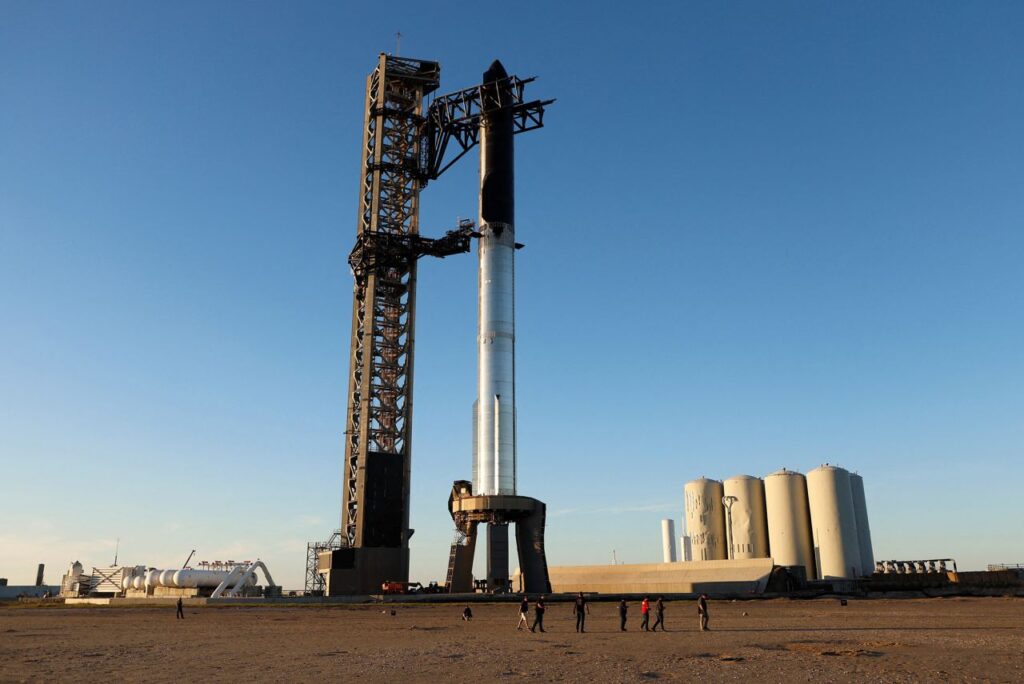
Starship is more than just a rocket — it’s a catalyst for reshaping the economy, industry, and talent landscape. According to Gwynne Shotwell, President and COO of SpaceX, Starlink alone could 10x the value of SpaceX, taking it from hundreds of billions into the trillions. She says Starship has the potential to 10x that again, growing SpaceX’s valuation from ~$3 trillion to ~$30 trillion, or adding ~$27 trillion in value. For context, that’s 7x the value of Apple, the largest company in the world. Wild, right?
While much of SpaceX’s recent valuation growth — including a 65% jump in under six months to about $350 billion — has been driven by Starlink (I’m told underwriters aren’t even looking at the rocket business before investing in SpaceX), Starship represents the next phase of expansion. Its potential lies in opening entirely new industries and creating opportunities not within Earth’s influence, but beyond Earth’s orbit.
This isn’t just my own speculation. The impact of Starship is explored in Space Capital’s report, The Next Giant Leap: Why Starship Matters and How It Will Impact the Space Economy. The report, which I contributed to, highlights the transformative potential of Starship on the global economy and talent landscape. For more insights, check it out here. Thanks to @Space Capital for diving deep into this important conversation.
The Multiplier Effect on the Space Economy
Starship doesn’t just grow SpaceX. It’s accelerating the entire space economy by creating new industries and opportunities. This multiplier effect works in three steps:
- New industries emerge, creating more jobs and opportunities for innovation.
- Demand for talent grows, fueling further advancements and attracting diverse perspectives.
- Economic advancement sustains innovation, as more organizations enter the space sector and invest in groundbreaking ideas, creating new industries.
This isn’t just about rockets — it’s about transforming how we work, innovate, and envision the future of humanity. Starship is setting the stage for industries that do not yet exist and will drive a virtuous cycle of growth.
Simplifying Designs to Unlock Talent
Starship also shifts how we think about spacecraft design. One of the key insights from the Space Capital report is that Starship’s capabilities allow for simpler spacecraft designs, breaking free from the traditional need for mass-optimized, bespoke systems.
Simpler designs mean more accessible entry points for engineers who may not have direct space experience but bring fresh ideas and perspectives to the table. This shift isn’t just about closing the talent gap; it’s about redefining who contributes to innovation in the space sector. As I shared in my LinkedIn post, Starship creates an opportunity for companies to look beyond the usual suspects for hiring and invest in diverse, cross-industry teams.
Building the Teams Shaping Starship’s Future
Achieving Starship’s ambitious goals isn’t just about technology. It’s about people. Talent is the engine of innovation, and building the right teams is critical to the success of a post-Starship world. But with the rapid expansion of the space economy, recruiting and scaling talent comes with its own set of challenges.
Historically, the space industry has relied on a small, specialized pool of aerospace experts. SpaceX is already changing that. By simplifying designs and focusing on scalability, they opened the door to talent from diverse industries like:
- Automotive, where engineers bring expertise in scalable, cost-efficient manufacturing.
- Robotics, where professionals excel in automation and systems optimization.
- Maritime, Energy, and Advanced Manufacturing, where problem-solving under stress is a core skill.
Scaling the talent needed for a project of the magnitude of Starship is no small feat. Maintaining quality while rapidly expanding requires finding professionals with the right skill sets and mindset. Competing for top-tier candidates in a space economy that’s growing exponentially adds pressure to recruit effectively.
To solve this, SpaceX has built teams made up of professionals with cross-industry experience which has enabled breakthroughs that traditional aerospace methods alone haven’t been able to achieve. For instance, automotive engineers brought mass production expertise that has been vital for scaling Starship’s manufacturing. Robotics professionals help improve efficiency and precision in manufacturing processes, contributing critical skills to SpaceX’s mission of rapid iteration and innovation.
The goal isn’t just hiring more people — it’s about hiring the right people. Success in scaling talent requires rethinking traditional hiring practices, emphasizing transferable skills and diverse perspectives to tackle the challenges of a rapidly evolving space economy. We’ve seen SpaceX trailblaze this effort and the time is coming for other space companies, even those that are smaller and at an earlier stage, to lean into this approach more heavily.
Another critical element of SpaceX’s success lies in its mission alignment and cultural values, which have helped the company attract and retain exceptional talent. Employees consistently highlight values such as execution, agility, collaboration, innovation, and diversity as defining traits of SpaceX’s workplace culture, according to the MIT Sloan Management Review’s Culture 500. These principles drive not only technical achievement but also foster a cohesive, high-performing team environment where individuals are motivated to contribute to a shared vision. By embedding these cultural elements into their hiring and organizational practices, SpaceX has built a workforce that thrives in tackling the ambitious challenges of Starship and beyond.
Practical Insights for Founders and Hiring Leaders
For startups and established companies in the space sector, here are some key takeaways for how to expand your search in order to meet the growing need for talent in the space economy, especially as Starship enables more industries to emerge:
- Don’t limit hiring to traditional aerospace backgrounds: Talent from diverse industries can bring valuable new perspectives and skill sets.
- Hire based on culture fit: Of course you need technically sharp people, but as specific expertise becomes less important, the value of culture fit further increases. Define your culture, communicate it clearly and publicly, then don’t sacrifice it when hiring.
- Focus on mentorship & training: When hiring from other industries, there will be more time needed for onboarding. Build infrastructure into your teams and onboarding to support learning and growth.
- Focus on mission: People are drawn to purpose. A clear and compelling mission will attract candidates who align with your vision and values.
- Embrace culture: Teams thrive when professionals with diverse cultural and professional experiences come together, enhancing innovation and collaboration. Making this diversity of perspectives a key element of company culture is a great way to ensure the team stays creative.
By adopting these strategies, companies can not only meet their talent needs but also build teams that drive long-term success.
Building for the Future
Starship represents a turning point for the space industry. Its success highlights the power of combining engineering innovation with bold talent strategies. By simplifying designs, expanding talent pools, and embracing diversity, SpaceX has shown how transformative projects can thrive.
The next giant leap isn’t just about the technology behind rockets. It’s about the people who build them — and the future they’ll help create.